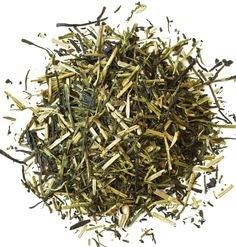
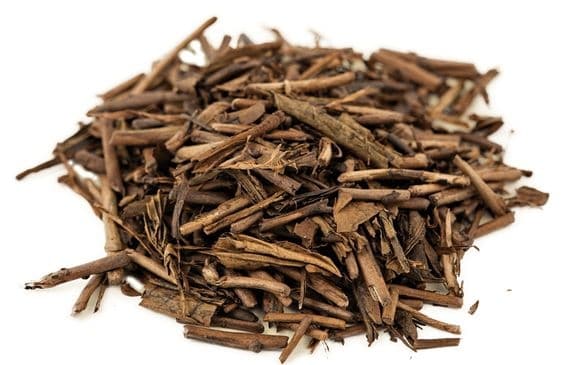
Exploring the Japanese Stone Mortar: A Beloved Tool for Matcha Powder Makers

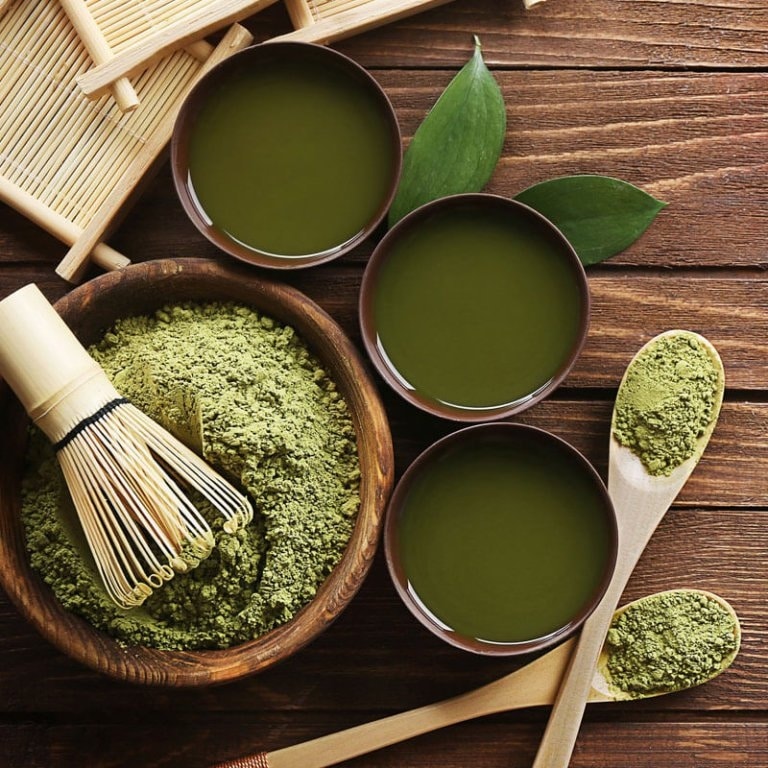
ทุกวันนี้มีการให้ความสำคัญน้อยมากกับเครื่องมือที่สำคัญที่สุดในการสร้างผงมัทฉะ เครื่องมือนั้นคือ “อิชิอุสุ” (石臼: Ishi-usu) หรือ “ครกหิน”นั่นเอง
อิชิอุสุ อิชิอุสุ

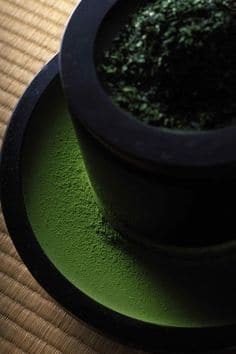
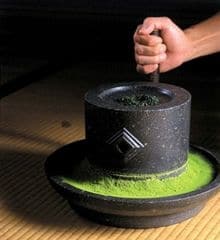
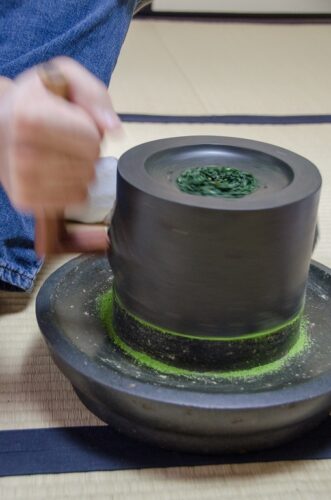
“ครกหินญี่ปุ่น” มีลักษณะเป็นหินทรงกระบอกสองชิ้น วางทับกัน โดยมีที่จับสำหรับหมุนที่หินด้านบน สามารใช้สำหรับบดอาหารจำพวกเมล็ดข้าว ธัญพืช และใบชา ซึ่งไม่ว่าจะหมุนด้วยแรงคนหรือพลังงานไฟฟ้า การบดมัทฉะโดยครกอิชิอุสุนั้น ถ้าหมุนโดยไม่หยุดพักเลย 1 ชั่วโมงจะได้ผงมัทฉะออกมาแค่ 40 กรัมเท่านั้น จึงเป็นเหตุผลหนึ่งที่ทำให้มัทฉะมีราคาแพงกว่าใบชา

อิชิอุสุ มีประวัติศาสตร์ยาวนานกว่า 1400 ปี สมัยก่อน คนญี่ปุ่นแทบทุกครัวเรือนจะมีอิชิอุสุไว้ใช้ ทั้งบดเมล็ดข้าวเพื่อนำแป้งไปทำเส้นอุด้ง หรือบดถั่วเหลืองเพื่อนำไปทำเต้าหู้ โดยใส่อาหารที่ต้องการบดที่รูด้านบน แล้วหมุนครกไปมา ให้หินสองก้อนเสียดสีกัน และผงที่บดออกมาก็จะตกลงมาที่ถาดรอง การใช้ครกอิชิอุสุต้องใช้แรงเยอะ สมัยก่อน เวลาหนุ่มสาวจีบกัน แม่ฝ่ายหญิงจะให้ฝ่ายชายช่วยบดแป้งจากเมล็ดข้าว แล้วให้ฝ่ายหญิงเอาแป้งที่ได้ไปทำมันจู ( ซาลาเปาญี่ปุ่นลูกเล็กๆ ไส้ทำจากถั่วแดงหรือเกาลัดกวน ) เป็นวิธีการจีบ และเรียนรู้นิสัยซึ่งกันและกันของคนญี่ปุ่นในสมัยก่อน น่าเสียดาย ที่ปัจจุบัน บ้านญี่ปุ่นที่มีครกหินแบบนี้เหลืออยู่น้อยแล้วครับ อีกทั้งครกอิชิอุสุยังมีราคาแพงมาก โดยครกเล็กๆแบบในรูปข้างล่าง มีราคาตั้งแต่ 20,000 ถึง 70,000 กว่าบาท

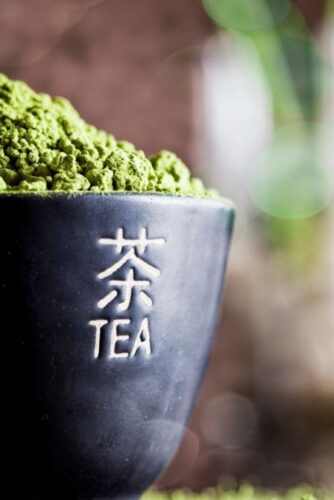
ศิลปะการบดชาด้วยหินถูกนำเข้ามาในญี่ปุ่นเป็นครั้งแรกโดยพระในศาสนาพุทธนิกายเซนชื่อ Eisai ในศตวรรษที่ 12 เขาใช้เทคนิคที่เขาสังเกตเห็นจากชาวจีน แม้ว่าวิธีการบดหินนี้ไม่ได้รับความนิยมในประเทศจีน แต่วิธีนี้ยังคงดำเนินต่อไปในญี่ปุ่นตั้งแต่ศตวรรษที่ 12 เป็นต้นมา ซึ่งผงมัทฉะเข้าเป็นครั้งแรกโดยเป็นส่วนหนึ่งของพิธีกรรมทางพุทธศาสนานิกายเซน จากนั้นก็กลายเป็นเครื่องดื่มที่ได้รับการคัดเลือกจากชนชั้นสูงของสังคมญี่ปุ่นศักดินาและปัจจุบันจนถึงปัจจุบันที่ความชื่นชมของมัทฉะแพร่กระจายไปทั่วโลก
อิชิอุสุ อิชิอุสุ

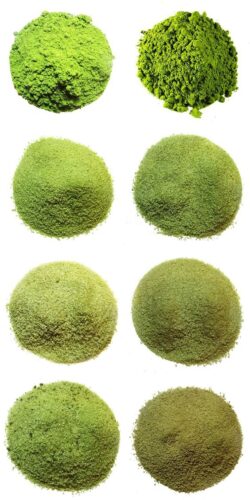
มีประโยคที่กล่าวว่า“Matcha must be powdered green tea. But notall powdered green tea is matcha…”นั้นเป็นเพราะว่าใบชาที่ดีที่นิยมนำมาบดเป็นผงละเอียดได้ ส่วนใหญ่จะเป็นใบชาเทนฉะ เพราะบดออกมาแล้วจะได้ความละเอียดมากกว่าชนิดอื่น แต่ในยุคสมัยใหม่ เมื่อผงมัทฉะเป็นที่นิยมมากขึ้น เกิดการขายตัดราคากัน ทำให้ผงชาเขียวตามท้องตลาดทุกวันนี้อาจจะมีส่วนผสมของแป้งเพิ่มเข้ามาด้วย ทำให้ผงสีเขียวที่ควรจะเป็นผงชาเขียว 100% กลับไม่ใช่ผงมัทฉะที่แท้ตามแบบฉบับคนญี่ปุ่น จะเห็นได้ชัดหากเรานำผงมัทฉะหลายๆแบรนด์ มาเทเทียบกัน อนุภาคความละเอียดของผงมัทฉะจะเห็นได้ชัดว่ามีสีและความละเอียดท่แตกต่างกันออกไป
อิชิอุสุ

ส่วนที่สำคัญอีกประการของกรบดมัทฉะ คือ วิธีการของช่างฝีมือในการบดเทนฉะ เพราะเมื่อเพิ่มใบเทนชะลงในอิชิอุสุแล้ว วิธีการบดจะควบคุมยากขึ้น เพราะ อิชิอุสุ มักทำจากหินแกรนิต ถือเป็นหินที่ “อ่อน” เนื่องจากไม่เกิดแรงเสียดทานหรือความร้อนมากนัก จึงต้องหมุนโม่หินอย่างช้าๆและเป็นระบบเพื่อให้ได้ผงละเอียด การหมุนเร็วเกินไปส่งผลให้เกิดความร้อนมากเกินไปและใบชาจะออกซิไดซ์และไหม้ได้ บวกกับผงมัทฉะที่ได้อาจจะหยาบเกินไปสำหรับการตีด้วยฉะเซน

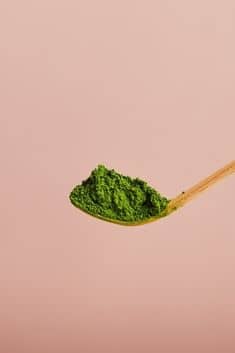
การบดอย่างช้าๆสม่ำเสมอ นำไปสู่ผงมัทฉะที่ละเอียดประณีต พร้อมด้วยกลิ่นหอมหวานที่อุดมไปด้วยรสอูมามิ ปัจจุบันนี้ เป็นที่น่าเสียดายที่ใบชาบางที่ถูกบดด้วยลูกเหล็กหรือด้วยเครื่องปั่นพลังสูงซึ่งสามารถทำลายความสมบูรณ์ คุณภาพ สารอาหาร และรสชาติของชามัทฉะได้ เพื่อให้สามารถผลิตมัทฉะได้จำนวนมาก แต่ก็มีหลายๆที่ที่พยายามควบคุมคุณภาพการผลิต ให้คงเดิมตามแบบวัฒนธรรมญี่ปุ่นดั้งเดิมไว้ ตามพิพิธภัณฑ์ ชา ที่ฟุกุโอกะ ประเทศญี่ปุ่น ก็ยังมีการโชว์เครื่องอิชิอุสุ และให้นักท่องเที่ยวสามารถทดลองบดใบชาได้เองอีกด้วย
อิชิอุสุ

ที่มา

http://www.isetan.co.jp/icm2/jsp/shops/otoriyose/wagashi/2012_04_uzuki/s01.jsp

https://photodune.net

https://mizubatea.com/blogs/news-1/the-ishi-usu-what-using-a-stone-matcha-mill-is-all-about

บทความจาก : Fuwafuwa
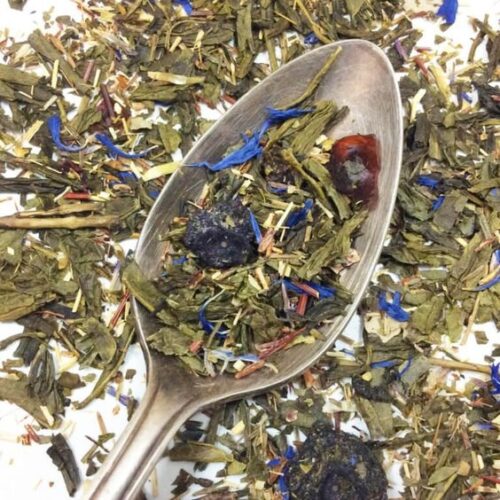
How to Create Your Own Custom Green Tea Blend

“ชาที่ดี ใบชาตั้งต้นต้องดี”  หัวใจสำคัญแรกเริ่มเลย ก่อนจะรู้จักการเบลนด์ชาเอง ใบชาตั้งตั้นที่กล่าวถึงนี้ ก็คือชาดำ ชาเขียว และชาอู่หลง พอได้ใบชาตั้งต้นดีแล้ว จะเอามาเบลนด์กับอะไร รสชาก็จะอร่อย หอมตามไปด้วย กล่าวคือ ชาเขียวที่เหมาะกับการนำมาเบลนด์เองได้นั้น ควรเป็นชาที่ปลูกในที่ภูเขาสูง อากาศเย็น อย่างที่ญี่ปุ่น ที่นั่นเขาจะดื่มชากันสดมากๆ เพราะผลิตผลเขาดีมาก ชาที่ดี จึงมักมีจุดตัดกันที่ แหล่งที่มาของชา การปลูก ดิน แหล่งชาไหนจะสร้างชามาได้เลิศกว่ากัน

แหล่งชา แหล่งชา แหล่งชา

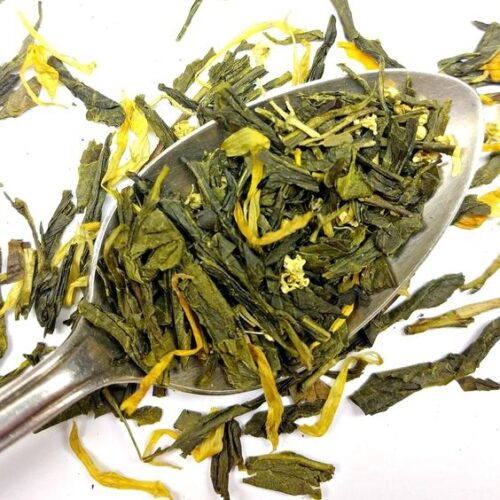
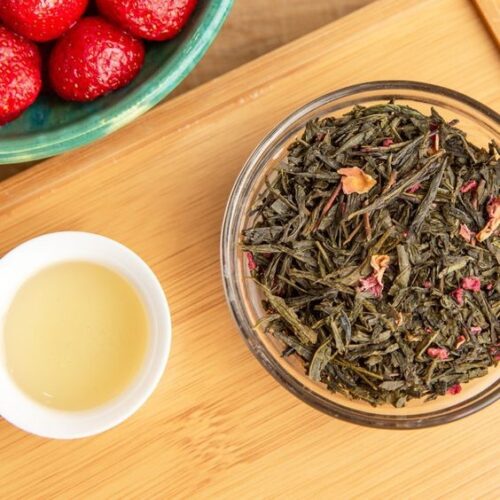
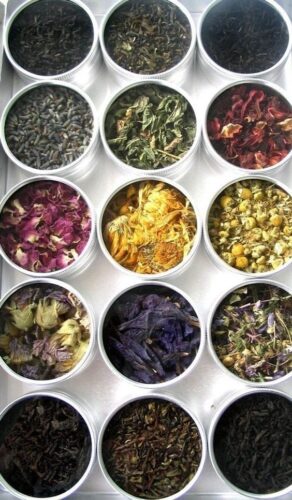
เมื่อเราได้ชาตั้งต้นที่ดี ความสนุกและซับซ้อนของชายังอยู่ที่การเบลนด์ส่วนผสมอื่นเข้าไปเพื่อให้มีกลิ่นและรสที่มีมิติน่าสนใจมากขึ้น โดยเฉพาะสมุนไพรที่นอกจากจะมีกลิ่นรสเฉพาะตัว ยังมีสรรพคุณดีๆ ที่ช่วยเรื่องสุขภาพอีกด้วย เช่น หากเลือก ดอกลาเวนเดอร์และกุหลาบตากแห้งดอกจิ๋วๆ ที่เติมความน่ารักให้ชา จะช่วยบำรุงระบบหมุนเวียนโลหิต พร้อมทั้งคลายเครียด ดอกคำฝอยช่วยลดไขมันในเส้นเลือด แถมยังช่วยให้ชาสีสวย หากใครหลับยาก ถ้าเป็น ดอกคาโมมายล์และดอกหอมหมื่นลี้ช่วยให้ผ่อนคลายและหลับสบายขึ้นดอกเก๊กฮวยแก้ร้อนใน ดีต่อหัวใจ หรือถ้าเลือกผสม ดอกอัญชันแห้งก็จะช่วยบำรุงสายตาและเพิ่มภูมิคุ้มกันให้ร่างกายใบเตยแห้งช่วยลดไข้ บำรุงผิว และแก้ท้องผูก ตะไคร้แห้งช่วยขับลมและแก้คลื่นไส้ นอกจากนี้ยังมีส่วนผสมตัวอื่นๆที่น่าลอง เช่น หญ้าหวาน ข้าวเหนียวดำ ขิง มะม่วง กระเจี๊ยบ ซินนาม่อน

การเบลนด์ชา การเบลนด์ชา

พอรู้จักสรรพคุณของชาแล้ว มาลองเริ่มเบลนด์ชากันเองดีกว่า หลักการง่ายๆ ของการเบลนด์ชาเบื้องต้น เริ่มต้นง่ายๆ จากการเลือกชาและสมุนไพรที่ชอบก่อน ต้องออกแบบรส และกลิ่นไว้คร่าวๆ ก่อนว่าต้องการรสแบบไหน ประมาณไหน อยากได้รสหลักเป็นอะไร แล้วค่อยๆ ใส่ลูกเล่นเข้าไปเพิ่ม หลักการง่ายๆ คือการค่อยๆ ปรับแก้จนได้รสที่ใกล้เคียงสิ่งที่คิดไว้ สัดส่วนใบชาและสมุนไพรที่แนะนำคือ ใบชา 3 ส่วน ต่อสมุนไพร 1 ส่วนใส่ลงถุงชา หรือที่กรองชา โดยลองสกัดชาที่เบลนด์แล้วด้วยน้ำร้อนอุณหภูมิประมาณ 95 องศาเซลเซียส เทน้ำลงไปชาเหมือนเวลาชงชาปกติ เพราะจะได้ชาที่มีรสชาติพอดิบพอดี

สิ่งที่ต้องดูนอกจากรสชาติ คือ ดูสีสัน และกลิ่นที่เข้ากันได้ เช่น ไม่ควรใส่ดอกไม้ที่กลิ่นหอมทั้งคู่ กลิ่นจะตีกัน เช่น กุหลาบ กับ ลาเวนเดอร์ หรือควรจับคู่กลิ่นรสที่เสริมกัน เช่น ใบเตยกับตะไคร้ จะยิ่งให้ความสดชื่นในตอนดื่ม หากไม่แน่ใจ จะลองชงดื่มดูก่อนก็ได้ว่าได้กลิ่น สี และรสอย่างที่ต้องการหรือไม่

แต่การเบลนด์ชาก็ไม่ใช่ว่าจับอันนั้นผสมอันนี้ก็เสร็จ เพราะเรื่องสัดส่วนเป็นเรื่องสำคัญ สมุนไพร ดอกไม้บางชนิดกว่าจะแช่ในน้ำร้อนให้กลิ่นและสี ชาเขียวก็อาจจะถูกแช่จนขมไปหมด ส่วนที่ยากของการเบลนด์ชาคือ ไม่มีทางตัดสินได้ว่ารสชานั้นจะออกมาเป็นอย่างไรในการผสมของแห้ง สุดท้ายชาต้องถูกแช่ในน้ำร้อน กลิ่นและรสก็จะเปลี่ยนแปลงไปอีกจากที่เราชอบ กว่าจะได้ชา 1 เบลนด์ต้องผ่านการลองผิดลองถูกซ้ำแล้วซ้ำเล่าไม่รู้กี่ครั้ง จนได้จุดที่สมดุลที่สุด

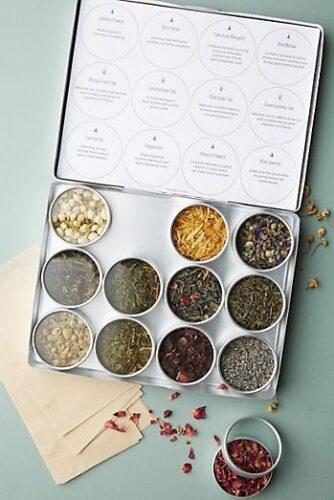
ส่วนร้านที่เริ่มเบลนด์ชาเองได้จนเชี่ยวชาญแล้ว สามารถต่อยอดชุดชาเบลนด์ เป็นชุดของขวัญ รวมชาสรรพคุณดีๆ กลิ่นหอมๆ ใส่โหลผูกโบ หรือแพ็คลงกล่องอย่างสวยงาม แทนกระเช้าอาหารแปรรูปที่วางขายอยู่ทั่วไป ก็น่าสนใจและบ่งบอกถึงความตั้งใจในการคัดเลือกชาคุณภาพให้ผู้รับประทับใจ

ชุดชาเบลนด์ ชุดชาเบลนด์

ที่มา

http://www.lovecreatecelebrate.com/homemade-peppermint-tea/

https://creationsbyfc.com/products/tea-sampler-gift-set-10pc

https://www.anthropologie.com/wellness-teas-coffees-elixirs

http://www.womansday.com/health-fitness/10-healing-herbs-used-in-teas-75249

https://www.anthropologie.com/wellness-teas-coffees-elixirs

บทความจาก : Fuwafuwa
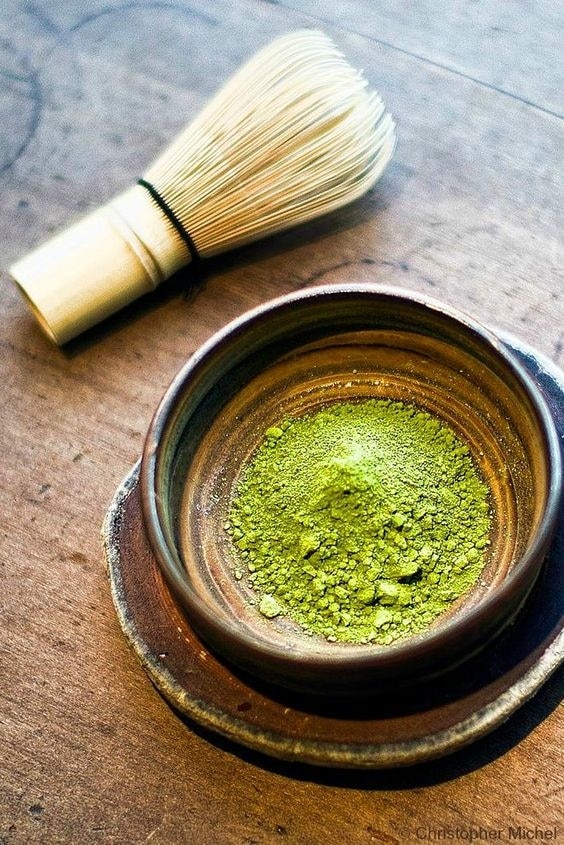
Get to know organic green tea cultivation

Why does organic Japanese tea taste so fragrant and sweet?

Matcha

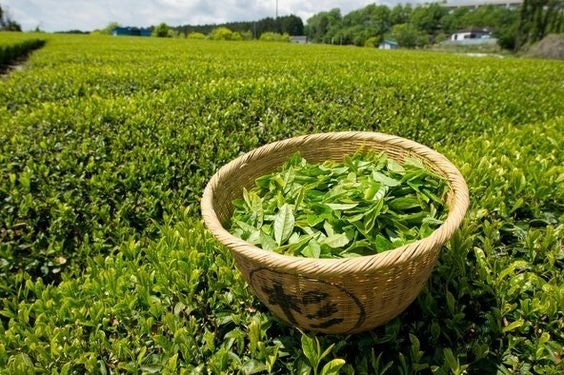
Organic tea cultivation requires abstaining from chemical fertilizers and pesticides. Organic fertilizers that are not genetically modified (GMO-free) are used, as are seeds that are not genetically modified or synthetic materials. Soil preparation prior to planting must be free of toxins for at least three years, and soil and water resources must be conserved during the production process to ensure that the produce grows naturally and is safe for health, free of chemical residues. This is because conventional tea cultivation still uses chemicals and pesticides, which can have long-term health effects.

While most tea in Japan is currently organic, only a very small percentage is 100% organic. This is because it is difficult to establish an organic tea plantation. There are many organic tea plantations in adjacent areas, and the spread of chemical fertilizers, pesticides, and chemicals that penetrate the soil from surrounding farms can make their way into the organic farms. Therefore, organic tea plantations need to create a buffer zone or shelter between the organic and the organic tea plantations to ensure that the soil is truly chemical-free.

Matcha

Organic tea has a simple taste because the tea receives nutrients directly from the soil. The taste of the tea also depends on the weather conditions. Only the top three young leaves are selected and picked only in the morning before 7 a.m. This technique gives organic tea a special delicate taste because the tea leaves will sprout leaves to receive the soft sunlight fully and there is dew that will bring out the aroma and sweet, delicate taste of the tea to the fullest during this time of the morning. The weather conditions are another important factor that makes the taste of tea unique.

Another reason why organic tea cultivation is not very popular is because it is not easy to use organic fertilizers to produce the desired yield quickly. Organic fertilizers work slowly, lasting 3 to 9 months. In contrast, chemical fertilizers work quickly and effectively, only about 1 month. This is in line with the production costs, which are slow to work. Therefore, organic tea trees have a higher burden than non-organic tea trees. On the other hand, chemical fertilizers in non-toxic tea plantations make the cultivation process much easier, resulting in faster yields.

The soil in organic tea plantations is generally more aerated and softer than that in non-organic tea plantations, but this depends on the amount of fertilizer used. High amounts of organic fertilizers can make the soil softer and more airy. This is true for both organic and non-organic tea plantations. The airy soil is created by beneficial bacteria in the soil, creating a nutrient-rich and healthy environment for the tea leaves.

Matcha Field

In the tea plantation area of Uji, Kyoto, Japan, during the summer, the sunlight is intense and the air is humid. But this humidity, along with the abundant fertilizer, is a very good environment for the tea plants, but it is also an environment that weeds like. Weeding in organic tea plantations requires pulling the vines from the tea plants, which is a difficult task because organic tea is weeded only by hand, and must be removed to prevent the weeds from absorbing all the nutrients from the fertilizer.

Matcha

Organic tea tastes better than tea from other farms because it’s grown in ideal climates and natural water sources. It’s also high-quality because it’s hand-picked, and it’s safer for your health in the long run because it doesn’t contain chemical residues. This is why it’s more expensive than regular tea.

Source

https://www.unclelee.com/article-history-our-tea.html

https://www.hibiki-an.com/contents.php/cnID/19

Article from: Fuwafuwa

3 Japanese snacks that are popular with green tea

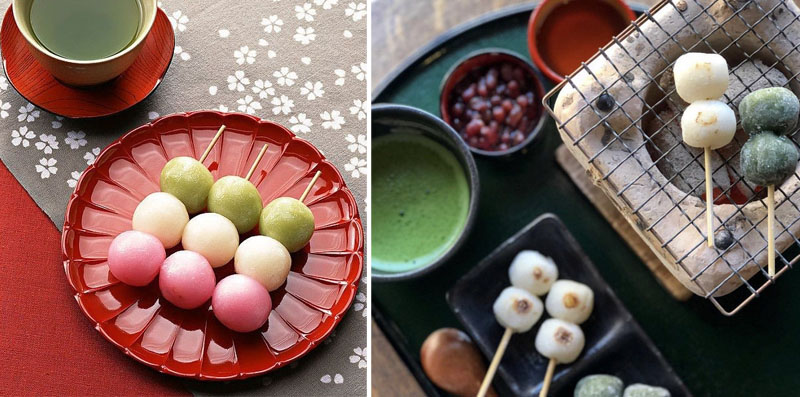
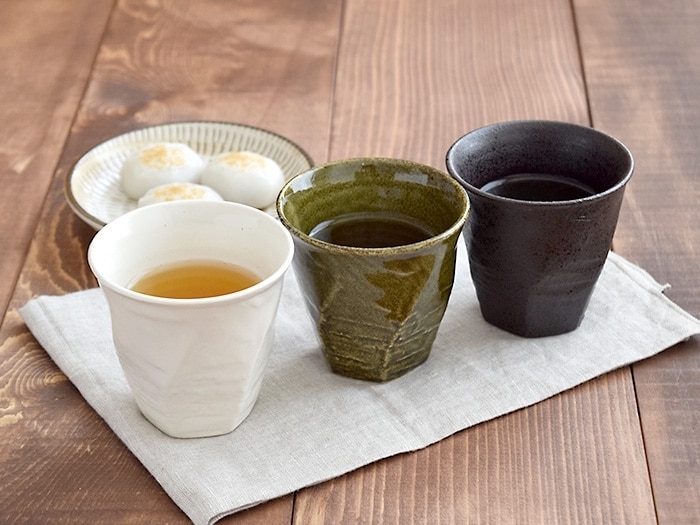
Many people already know that Japanese people like to eat green tea with Japanese sweets, or what is called wagashi. Although there are many other sweets that can be eaten with green tea in the tea ceremony, the sweets that are ranked as popular with people who drink tea and are well known among Thai people include:
Number 1 is Daifuku, a soft and chewy mochi dessert that comes with a variety of fillings, including green tea lava, green tea red bean, and some even add fruit to enhance the flavor. The dessert is sweet and served with hot green tea, creating a perfect combination of deliciousness.
For those who want to try making their own daifuku and serve it with tea at the restaurant, adding a touch of Japanese flair to the menu is easy to do. You can also customize the dough to your liking, such as fugu or filling.

Green tea strawberry daifuku menu

  1. 100 grams of glutinous rice flour
  2. 20 grams of tapioca flour (for making dusting powder)
  3. 10 grams of matcha powder
  4. 50 grams of granulated sugar
  5. 150 ml. plain water
  6. 200 grams of ready-made white bean paste + tea powder
  7. Green 5 grams
  8. Strawberry

method

  1. Mix glutinous rice flour, matcha powder, and sugar in a microwavable container. Gradually add water and mix until the flour is no longer lumpy and the consistency is thick.
  2. Put the flour mixture in the microwave, covered with plastic wrap or in a covered container to prevent the surface from drying out. Microwave on high for 3 minutes, stirring every 1 minute. Observe the flour. If it is cooked, it will turn into a clear flour and will form into a lump.
  3. Take the cooked flour and mix it with flour. Divide it into equal parts. Flatten the dough into a round sheet. Add the white bean filling mixed with green tea powder to form a single texture that wraps the strawberries. Shape it into a round ball. Mix it with flour to prevent the daifuku from sticking together. It’s done.

Typically, when serving daifuku, a small stick, called a kuro mochi (黒文字), symbolizes that the dessert should be cut into bite-sized pieces before eating. Usually, the pieces are not very large and can be cut into about 3-4 pieces.

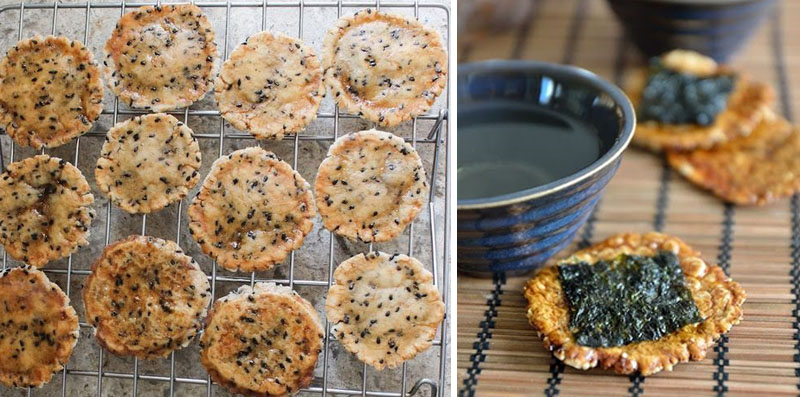
Next up is sembei, a crispy rice snack that comes in a variety of shapes, sizes, and flavors. While most commonly salty (a flavor derived from soy sauce), sweet versions can also be found. Sembei are most commonly eaten with green tea, as a snack, and given to guests at home. They are typically baked or grilled in the traditional charcoal manner. During cooking, the sembei are brushed with a seasoning sauce, typically made from soy sauce and mirin. They are then wrapped in seaweed and seasoned with salt. Unlike daifuku, sembei are served with tea without the kuromochi sticks. It is generally considered polite to eat them with your hands.


If you’d like to try making your own dango, you can do so at the shop. The method is similar to making bua loi in Thailand.
Ingredients: 250 grams of white tofu, rice flour (or mochi flour) + 200 grams of sugar.

Easy to make: First, knead the tofu and rice flour together with your hands until the dough is just the right consistency—not too soft or too hard. Then, shape it into balls. Boil a large pot of water until it boils, then add the dango balls. Continue to boil until they float to the surface. Once they float to the surface, boil for another 2-3 minutes and remove from the water and set aside on a paper plate. Skewer them and enjoy with the sauce or grill them gently, as desired. Serve with the shop’s hot green tea. We guarantee that every visitor will feel like they’ve been transported to Japan.

Source

https://www.pinterest.com/pin/325807354293426536/
https://moichizen.exblog.jp/13348925/
https://www.pinterest.com/pin/14707136267674817/
https://www.japancentre.com/en/recipes/1669-matcha-ganache-filled-strawberry-daifuku

By : Contrary To Popular Belief

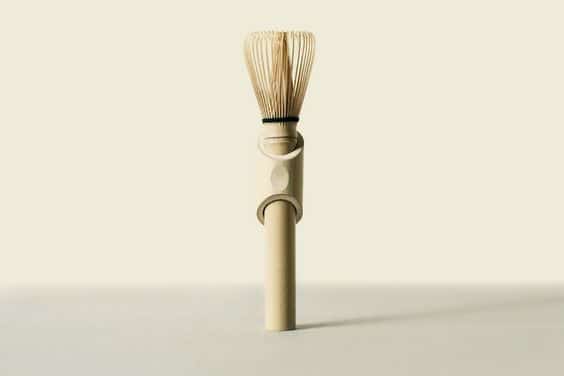
Chasen, one of the essential tools for brewing matcha

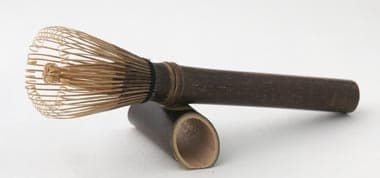
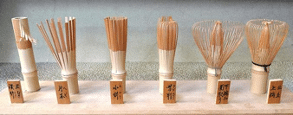
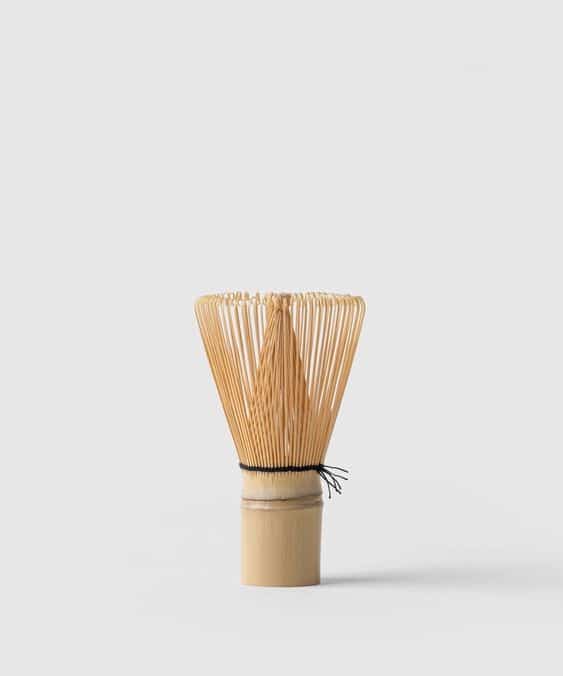
Chasen (茶筅 or tea whisk) is one of the most important tools for brewing and dissolving matcha powder. Therefore, it is very important to have the right type of brush and quality to get good matcha. There are many types of chasen, which have slight differences in materials, shapes, and usage. The main material used is bamboo. There are 3 main types of bamboo: Hachiku bamboo, Susudake bamboo, and Kurodake black bamboo. Hachiku bamboo is the most popular material for making chasen because its wood is smooth and soft, making it easy to carve. However, at the same time, it has low durability and is easy to break.

Susudake

If you use Susudake bamboo , it will be more durable, but it is harder to find. Kurodake bamboo is the heaviest material used for making chasen, lasting three times longer than Hachiku bamboo, but Kurodake bamboo is especially difficult to carve. The bamboo used for chasen is usually about three years old and is harvested in winter. After harvesting, the bamboo is dried for a year. First, in winter it is made outside, leaving the wood in the winter weather, then it is stored in a dry storage area and left there for the whole year.

Chasen

When the bamboo is ready, the most suitable and perfect bamboo is selected, cut into 9-12 cm long pieces and hand-carved into small pieces ready for use by the apprentices, and sent back to the master carver for further fine adjustments, including bending and spiraling.

Chasen Chasen

The final shape of the chasen is determined by many factors, such as Chu-araho, a chasen with 70 to 80 coarser bristles used for Koicha (strong matcha), and Kazuho, a chasen with up to 120 finer bristles used primarily for Uzucha (diluted matcha).

Although many countries have made efforts to produce chasen, Japan consistently produces better quality due to the craftsman’s attention to detail at every stage, from careful selection of bamboo to each cutting and shaping. This is because the quality of bamboo has a great impact on the durability of the chasen, which means that tea brewing made from high-quality bamboo has a longer lifespan.

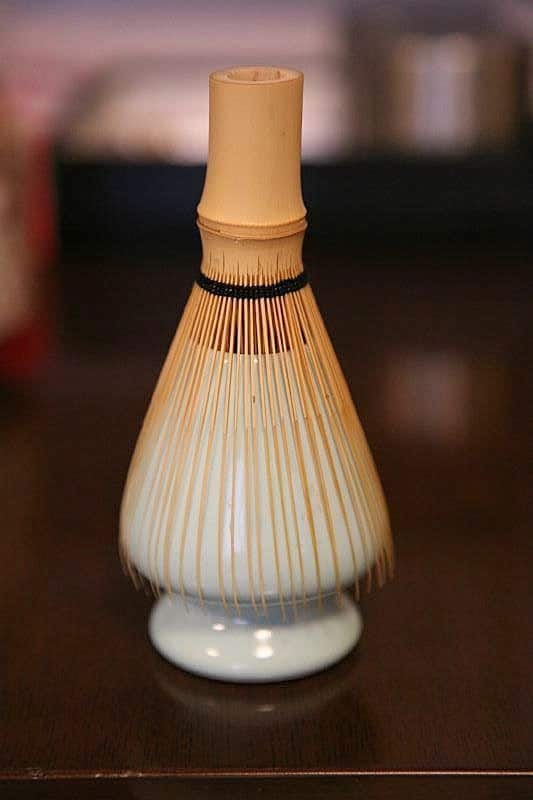
The finer the number of whisks, the smoother the matcha will be. Commonly sold chasen has between 16 and 120 whisks. The higher the number, the easier it is to whisk the tea powder into the water and whip the matcha into a fine, frothy foam. However, if there are fewer whisks, it will take longer to whip. As for how to use it, it is recommended to place the whisk part of the chasen into hot water for a few seconds to loosen the bamboo. The trick to whipping is to bend your wrist slightly while moving it. Whisk the ingredients as quickly as possible using an M or W-shape motion. After getting an even layer of foam, slowly use the whisk to rotate it again and it’s done.

Chasen Chasen

There are many types of chasen. In fact, there are as many as a hundred generations. In the early days, only one generation of chasen was made. However, after the Japanese tea ceremony became popular, many of Sen no Rikyu’s students went on to open their own teahouses, spreading the knowledge they had gained from studying with Rikyu. Each of them adapted some of the details to suit their own identity and values. As time passed, those small differences in the beginning gradually spread until they became the differences between each teahouse. This also includes the shape of the chasen that each teahouse uses to make tea.

The thread used to wrap the chasen also differs depending on the model. Normally, the chasen uses black thread, but the chasen used on special occasions is wrapped with red or white thread for good luck, especially the chasen model used on New Year’s Day.

Chasen

Want to know which tea whisks are popular? Read more in the article. >> Top 10 Green Tea Whisks: Which One is Good in 2022?

Source

http://japan-web-magazine.com/japanese-tea/japan-japanese-tea-ceremony0.html

https://zhaozhoutea.com/chasen-%E8%8C%B6%E7%AD%85-the-matcha-whiskchasen/

Article from: Fuwafuwa


Let’s take a deep dive into Genmaicha tea.

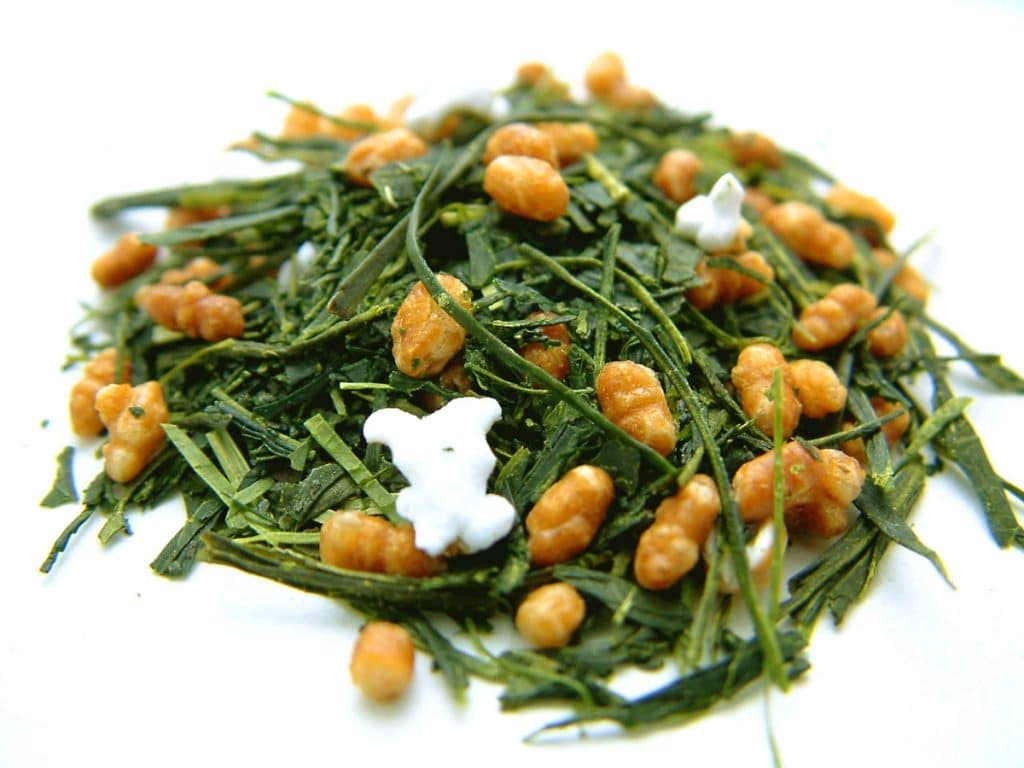
Genmaicha, which is known as roasted rice tea, did you know that it is also known as Brown Rice Tea or Popcorn Tea? Genmaicha is a hybrid of roasted rice tea and Japanese green tea (Bancha or Sencha) in a 1:1 ratio. Despite being a hybrid tea, Genmaicha’s amazing health benefits are just as numerous as those of green tea. Genmaicha has a unique aroma from roasted rice mixed with green tea leaves, giving it a popcorn-like aroma, hence the name Popcorn Tea. In addition, since it is a hybrid tea, it contains less caffeine than Bancha or Sencha. This makes Genmaicha a suitable tea for children and the elderly.

genmaicha

Bancha is considered second or third harvest green tea, so it has almost no bitterness and a refreshing taste. However, it is suitable for everyday drinking and does not contain much caffeine, making it suitable for children and the elderly to enjoy. Sencha is a common Japanese green tea that is grown in full sunlight after the new flower buds appear. It has a well-balanced bitterness and refreshing aroma, and is loved by people of all ages in Japan. It also accounts for more than 80% of the tea market in Japan. It also contains only 1/30th the caffeine content of a cup of coffee.

Both Bancha and Sencha teas are key ingredients in Genmaicha, contributing to its incredible health benefits, comparable to other teas. Brown rice, on the other hand, is considered the most aromatic rice when roasted to make Genmaicha.

The main nutrients in Genmaicha tea include catechins, theanine, vitamin C, vitamin B complex, and vitamin E, which all contribute to anti-aging. This is because catechins help prevent excess fat or sugar from being absorbed by the body and increase the number of good bacteria in the intestines. They act as antibacterial agents that prevent colds, food poisoning, and bad breath. In addition, Genmaicha tea is relatively high in vitamins, minerals, and dietary fiber, which helps prevent constipation and increase metabolism. It also contains gamma-oryzanol, which has a beneficial effect in reducing the risk of blood clots, diabetes, and obesity. The vitamin B complex in Genmaicha can help relieve fatigue and stress.

genmaicha genmaicha

As for the best time to drink Genmai tea, of course, you can drink it at any time. However, if you want to reduce your blood sugar levels, the best time is before a meal.

Drinking it during meals is also beneficial, as it helps control cholesterol and burn fat, as genmaicha tea is even more delicious and refreshing when eaten with certain fatty foods.

In addition, drinking it warm during or after meals will help improve digestion.

genmaicha

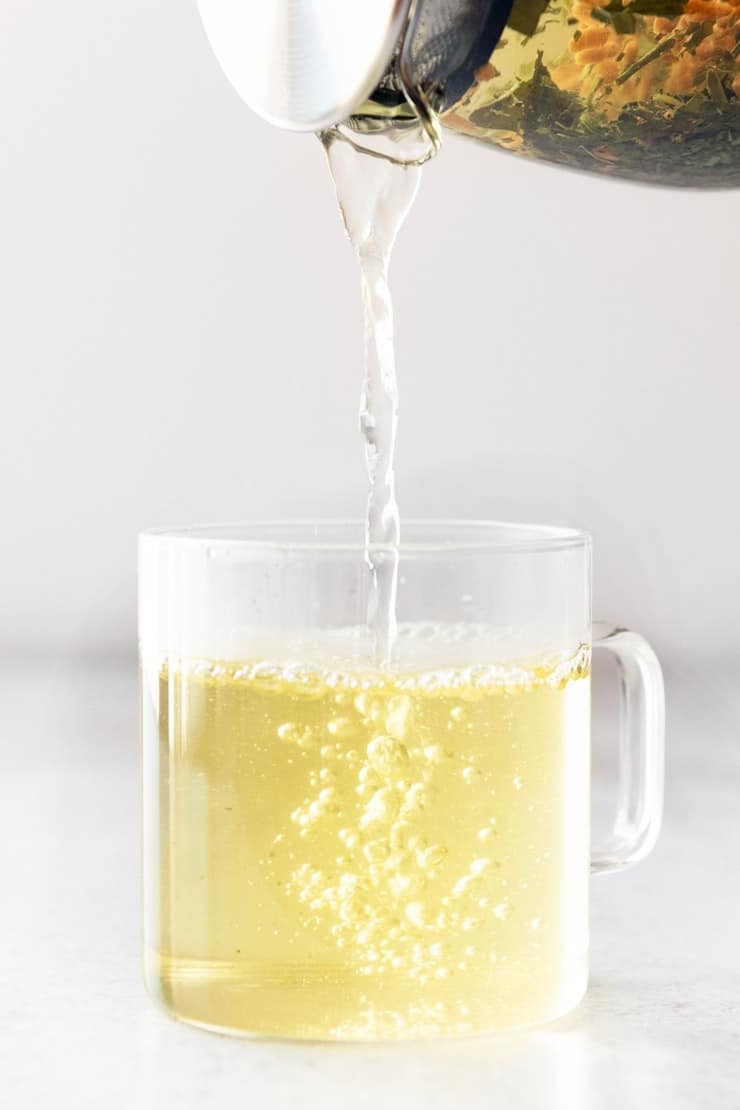
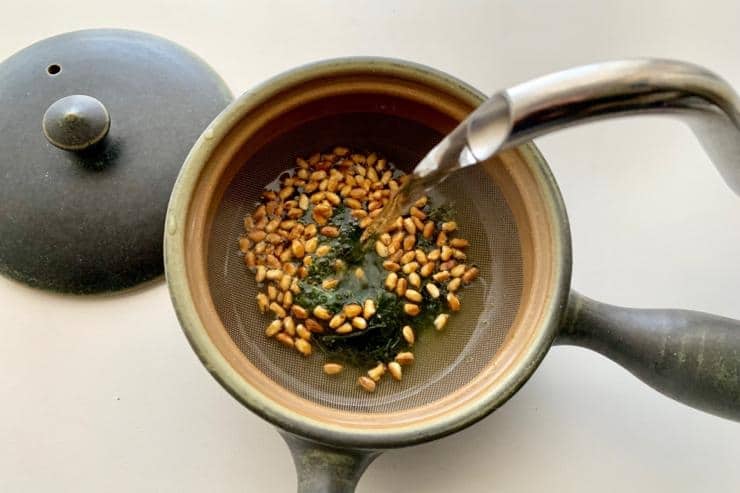
Brewing Genmaicha with boiling water will enhance the aroma and help the catechins work their best. Additionally, when brewing Genmaicha, the brewing time should be as short as possible to prevent tannins from being released, which can make it taste too bitter.

genmaicha

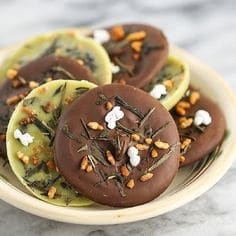
If you’re a fan of Matchazuki genmaicha tea, we recommend trying it in your desserts. The taste and texture are just as delicious as other types of tea. Importantly, using genmaicha in desserts isn’t very popular yet. If you’re looking to differentiate yourself, you might consider using it in cookies or as a topping on a chocolate bar. This could be quite interesting.

Source

https://www.ohhowcivilized.com/genmaicha-tea/?utm_source=pinterest&utm_medium=social&utm_campaign=social-pug

7 Health Benefits of Genmaicha and When to Drink

Matcha white chocolate with genmaicha

Article from: Fuwafuwa

Sweetness and tea menu

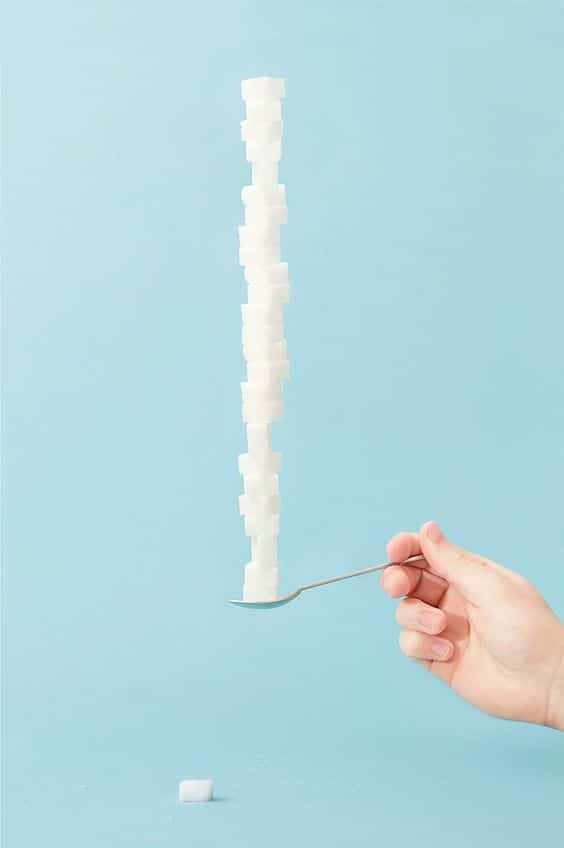
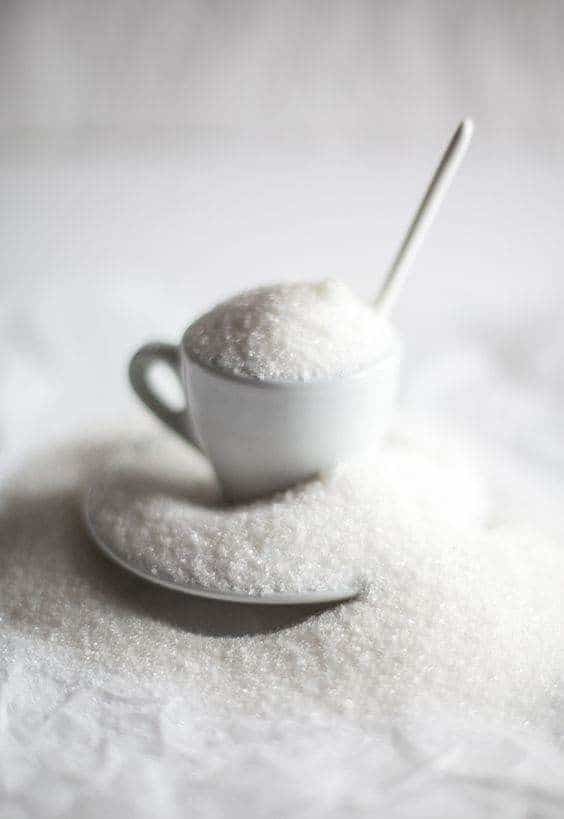
There’s no denying that the easy-to-drink tea beverage that’s popular among Thais isn’t just plain tea. It’s tea that’s sweetened with sugar and honey, and enhanced with milk for a more balanced flavor. Bottled teas sold in convenience stores, such as ready-to-drink green tea lattes, even those labeled as pure green tea, often contain significant amounts of sugar. However, it’s undeniable that this sweetness enhances the taste of your favorite tea and refreshes your body.

sweets sweets

Sweetness and tea menus are like a pair, but we can choose what to give the sweetness from besides sugar.

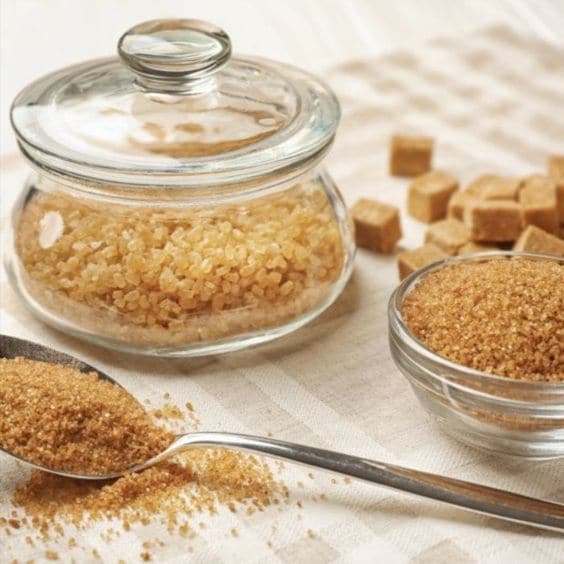
1. Syrup is obtained by simmering sugar and water over medium heat. It is clear in color and is often used to pour over Thai desserts with coconut milk. It is also used in coffee shops to add sweetness to drinks like tea and coffee. Bartenders also use it to mix in cocktails. Syrup can mean dissolving sugar in water to create various levels of sweetness. It is the most popular sweetener in the market, whether in cafes or tea shops, because it is convenient to brew and easy to store. However, be careful that pressing just one pump of syrup, which may seem like a small amount, but gives a surprisingly high amount of sweetness, is therefore not a good choice for health-conscious people.

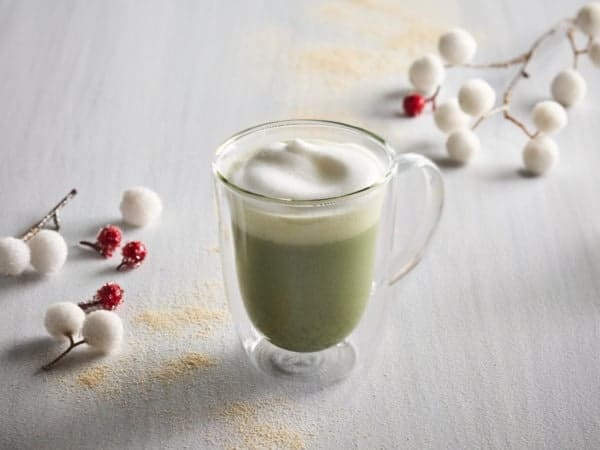
2. Maple syrup is made from maple sap and boiled until it becomes a concentrated syrup. It is often used as a substitute for honey on desserts. However, pure maple syrup is rare. What we often see is artificial maple-flavored syrup. If you want to use it in green tea, the proportions are as follows: 4 cups of milk + 1 tablespoon of green tea powder + 1 tablespoon of maple syrup. Boil them together and pour foam over it. The taste is not much different from using sugar, except that you will get a different aroma and it is a lighter sweetness, not as sharp as syrup.

sweets

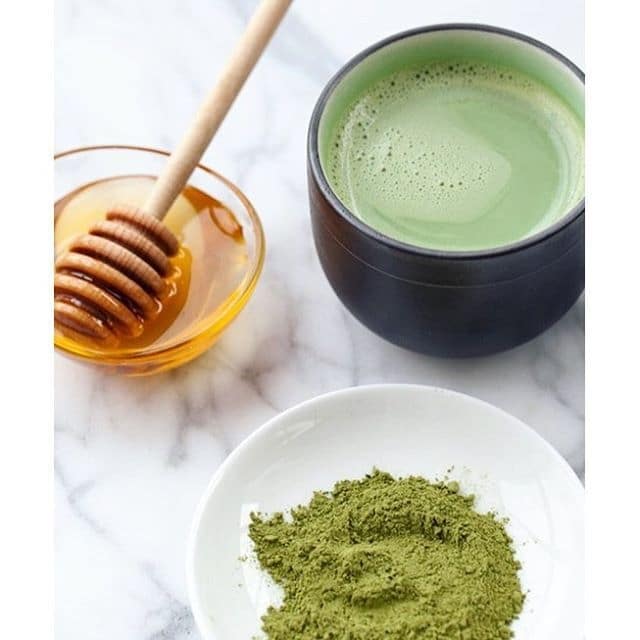
3. Honey: Naturally sweet, it’s just as sweet as sugar and contains protein, providing energy that keeps you energized. It also contains vitamins and minerals. However, consuming too much can lead to obesity. Honey contains glucose and fructose, which are single-molecule sugars that the body can absorb and use. Honey also contains antioxidants, which help slow down cell degeneration and improve the body’s immune system. Importantly, honey also provides sweetness and a unique aroma.

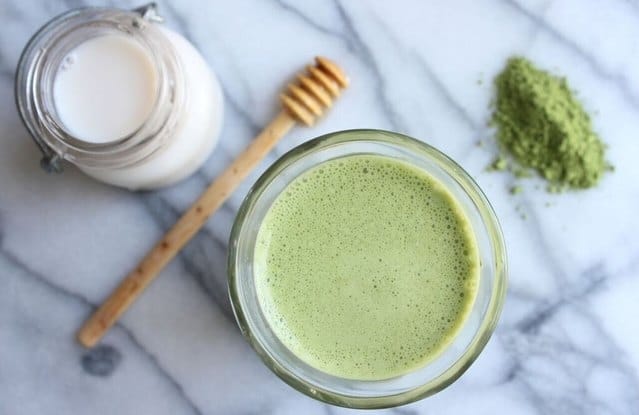
If you try making it with this recipe, it will help your tea menu stand out with the sweetness of honey. Or you can elevate the menu by using coconut milk instead of cow’s milk to make it suitable for people who are allergic to cow’s milk. Take 1 teaspoon of matcha powder + 1/2 cup of hot water + 1 cup of coconut milk + 1 teaspoon of honey.

sweets sweets

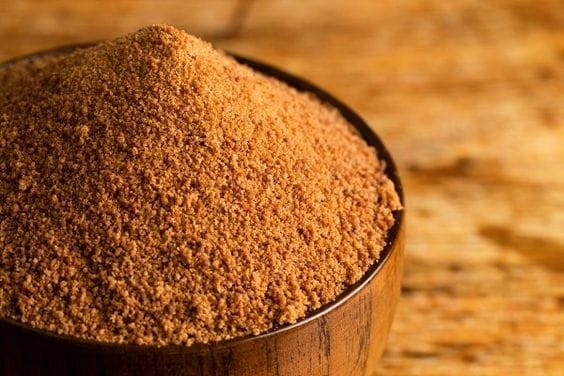
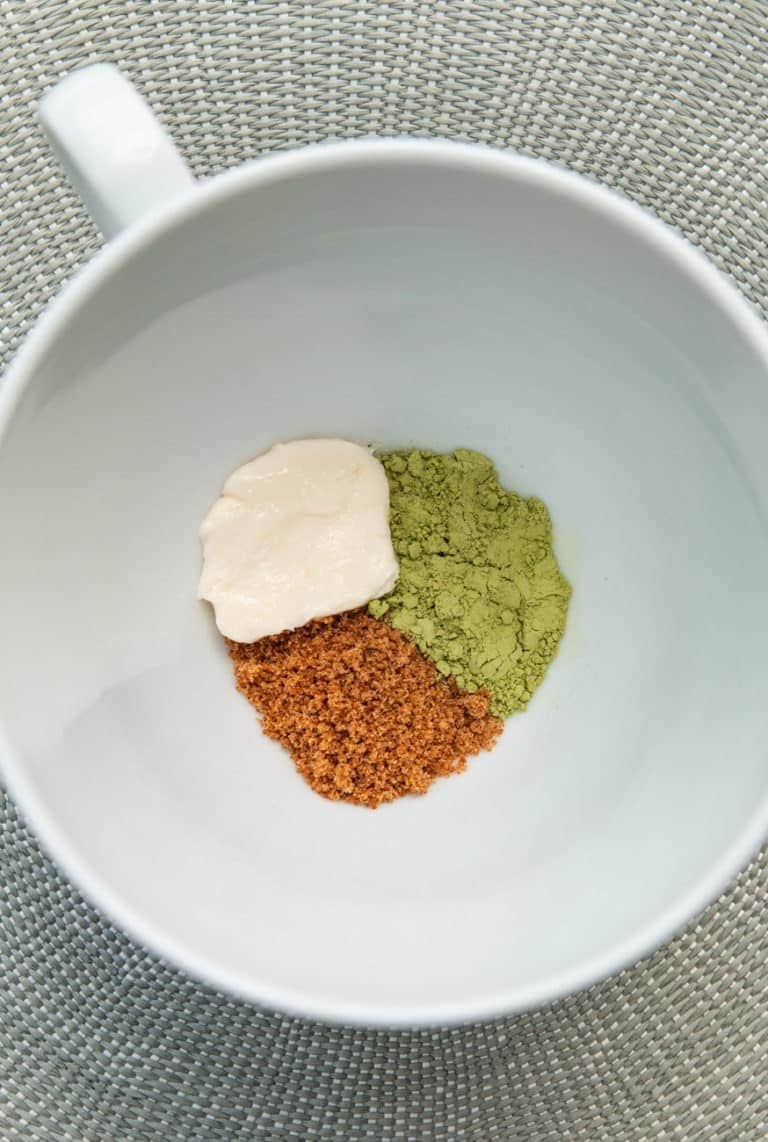
4. Coconut sugar is a great substitute for sugar because it’s a natural sugar that hasn’t been processed in many steps. Its color is similar to brown sugar, but its texture is coarser. It’s packed with nutrients that are beneficial to the body and won’t raise blood sugar levels. Before using it in cooking, it should be mixed with liquid. If using it to make a green tea latte, use a ratio of ½ teaspoon matcha powder + 2 teaspoons coconut sugar + 1 teaspoon coconut butter + 10 ounces of hot water. Mix together. However, you can skip adding butter if you prefer, as this recipe requires butter to give the green tea latte a rich flavor, unlike some recipes that use cream or condensed milk.

sweets sweets

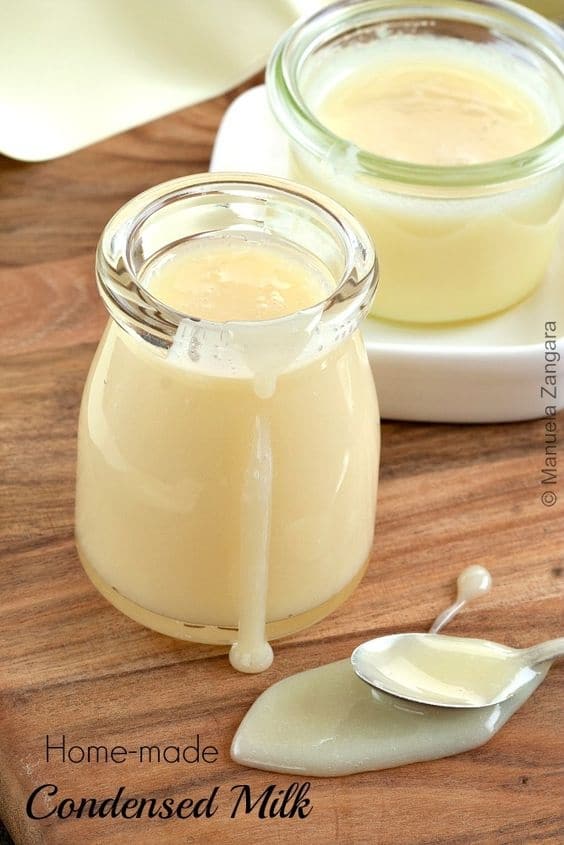
In addition to the above sweeteners, there are other options for tea, such as sweetened condensed milk, which provides a rich, creamy sweetness that’s a favorite among Thais, or brown sugar, simmered into a syrup that gives it a unique Japanese flavor and aroma . Stevia is considered the most natural and effective sugar substitute, as it’s 300 times sweeter than sugar yet low in calories. Stevia can be used in a variety of dishes or mixed with tea or coffee. It’s common to find beverage shops using stevia as a selling point, assuring customers that it won’t easily gain weight. However, it must be consumed in moderation.

sweets sweets

Choose the sweetness of your tea menu to suit your shop’s style. Create a unique tea menu that stands out from other shops easily with small details that many shops may overlook.

Source: http://www.byrdie.com/weight-loss-tips?utm_campaign=article-share&utm_source=social-pinterest-button&utm_medium=earned-social

https://www.livestrong.com/recipes/matcha-almond-milk-honey/

https://maplefromquebec.ca/recipes/maple-matcha-tea-latte/

https://www.cleaneatingkitchen.com/dairy-free-green-tea-matcha-latte/

Article from: Fuwafuwa

How to check if matcha powder is of good quality

With the popularity of matcha powder and green tea influenced by Japan, there are rapidly increasing sources of matcha powder and green tea leaves in Thailand, whether imported from Japan, China, or even produced in Thailand. The origin of each tea affects the different tastes and aromas. Another point to be careful about is not telling the true properties of the tea leaves. Every shop will say that it is original tea from Japan, so how can we know which shops have real green tea powder? You can observe these factors.

  1. The first thing to notice is color . The darker the matcha, the less bitter it will be. This is because it is a well-maintained matcha, a good variety, with a dark green color. It can be drunk directly as a thick brew (Koicha). It is recommended to use a lower grade of matcha powder used in baking because it will have a more intense flavor. When mixed with other ingredients, it will create a more intense flavor. Also, don’t forget to check the container or package that the tea is in. Good matcha powder has a shelf life of about 6 months and should be used up within 4 months after opening. If stored longer than that, the color will start to fade and the aroma will be less fragrant. This is because the tea leaves are steamed at high temperatures during the manufacturing process to stop the oxidation reaction. However, as time passes, the tea leaves are constantly exposed to oxygen, causing them to turn yellow, just like normal leaves that change from green to yellow.

Matcha Quality

2. Ingredients: Some matcha powders are actually cheap. This is partly due to the fact that the matcha powder is mixed with flour, not pure green tea. This is why they can be so cheap. Don’t forget to flip the package to read the ingredients clearly before buying the wrong one.

3. Reviews from other customers: Don’t forget to check out reviews from people who have already purchased and consumed the product to see what delicious dishes it can be made into and how much to use. This will provide ideas and encourage those who read the reviews to buy it and try it out.

Matcha Quality

4. Source: Check the source clearly to see which city in Japan it comes from. For example, the most popular cities for green tea are Uji and Kyoto. However, Shizuoka is also equally famous. Knowing the source in detail will help us be more confident in the quality of the tea.

5. Price: Don’t forget to compare market prices to see if the tea you’re buying is too expensive or too cheap. Even if it’s a good quality tea imported from Japan, you should check prices from multiple sources. And don’t forget to check prices from Japan itself, because some products imported directly from the source are several times cheaper than those produced in Thailand. Green tea itself comes in many grades, and each grade has a different price. Checking the same grade will give you the clearest price range.

6. The seller’s name may not be a significant factor, but if you know the source, have a Line@ page, Facebook page, or a reliable website, this is another factor that will help build consumer confidence.

Just 6 simple things to be careful of and think about before buying to ensure you get good quality tea at a reasonable price.

Source

https://www.rishi-tea.com

https://cookingchew.com/matcha.html

https://drericz.com/recipes/diy-super-greens-mix/

Article: Fuwafuwa

ข้อควรระวังในการดื่มชา ที่หลายคนอาจจะยังไม่รู้

Main Idea : หลายคนคงทราบกันอยู่แล้วว่า การดื่มชามีประโยชน์มากมาย แต่น้อยคนนักจะรู้ว่าการดื่มชามากจนเกินไปจะมีผลเสียต่อร่างกายพอสมควรเลยทีเดียว

1. การดื่มน้ำชาไม่ว่าจะชาร้อนหรือชาแช่เย็น ไม่ควรแต่งรสด้วยนมสด นมข้นหรือนมผง เพราะโปรตีนในนมจะไปจับกับสารสำคัญในชา ทำลายประสิทธิภาพสารออกฤทธิ์ที่เป็นประโยชน์ต่อร่างกาย วิธีการดื่มชาเขียวให้เกิดประโยชน์ต่อสุขภาพ จึงควรดื่มน้ำชาล้วนๆไม่ควรปรุงแต่ง นอกจากจะได้สารอาหารที่ครบถ้วนแล้วยังไม่อ้วนจากน้ำตาลที่ปรุงแต่งเข้าไปด้วย

2. ใบชายังมีองค์ประกอบของฟลูออไรด์ในปริมาณที่ค่อนข้างสูง และสูงกว่าปริมาณในน้ำประปา หากดื่มในปริมาณที่มากเกินไป จะเกิดการสะสม มีผลให้ไตวาย เกิดมะเร็งลำไส้ โรคกระดูกพรุน (Osteofluorosis) โรคข้อ และโรคอื่นๆที่เกี่ยวกับกระดูก และยังทำให้ฟันเกิดคราบเหลืองได้ ยิ้มฟันขาวๆจะหายไป แต่ผู้ที่ดื่มไม่มาก ก็คงไม่ต้องกังวล


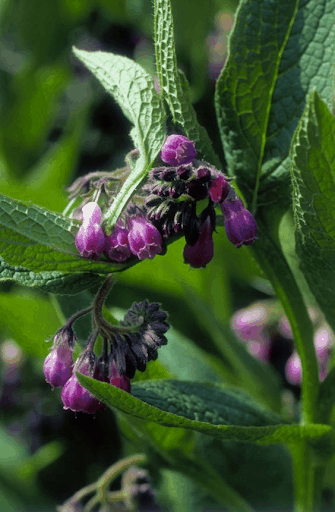
3. หลีกเลี่ยงชาที่มีส่วนผสมของคอมเฟรย์ (comfrey) ซึ่งมีสารไพโรลิซิดีน อัลคาลอยด์ อันอาจเป็นอันตรายต่อตับ ในบางประเทษดอกคอมเฟรย์เป็นเรื่องต้องห้ามเลย

4. สารออกซาเรท (oxalate) ในชาที่มีอยู่ในปริมาณน้อย แต่หากผู้ที่ชื่นชอบการดื่มชามากจนเกินไปและดื่มบ่อยๆเป็นประจำ จะสะสมสารออกซาเรทในร่างกายได้ อาจส่งผลต่อการทำลายไตได้

5. ใบชามีคาเฟอีนในปริมาณสูง อาจสูงกว่าในเมล็ดกาแฟด้วยซ้ำไป เพียงแต่การดื่มน้ำชา สารแทนนินจากน้ำชาจะช่วยลดการดูดซึมของคาแฟอีนเข้าสู่ร่างกาย ทำให้ฤทธิ์การกระตุ้นหัวใจและสมองน้อยกว่ากาแฟมากคาเฟอีน แต่ก็ส่งผลต่อการนอนเช่นเดียวกับกาแฟ ดังนั้นไม่ควรดื่มภายในสามชั่วโมงก่อนเข้านอน

6. สารแทนนินที่มีอยู่ในชาเขียวซึ่งเป็นสารที่มีฤทธิ์ทำให้เกิดอาการท้องผูก เพราะสารตัวนี้ทำหน้าที่ยับยั้งการดูดซึมสารอาหารสำคัญอีกหลายชนิด ไม่ว่าจะเป็นโปรตีน เหล็กและโฟลิก เพราะฉะนั้น เพื่อป้องกันปัญหาท้องผูกตามมา แนะนำให้คุณหันมาดื่มชาเขียวแต่เพียงในปริมาณพอดี โดยดื่มวันละไม่ควรเกินกว่า 5 แก้ว ร่วมกับการดื่มน้ำให้มากๆ และกินอาหารที่มีกากใยสูง ก็จะช่วยปรับระบบขับถ่ายให้ทำงานคล่องตัวขึ้นได้แล้ว ดังนั้นจึงมักจะมีคำแนะนำไม่ให้เด็กดื่มน้ำชา ไม่ว่าจะเป็นชาเขียวแช่เย็นหรือชาร้อน เพราะจะทำให้ร่างกายขาดสารอาหารได้

7. สารคาเทคชินส์ (Catechins) ที่อยู่ในชา จะถูกความร้อนทำลายไปเกือบหมด คงเหลือแต่ความหอมและรสชาติ ถ้าต้องการดื่มชาร้อนๆ ควรดื่มน้ำชาที่เข้มข้น เช่นเดียวกับคนจีน ที่นิยมชงชาจีนรสเข้มข้นในถ้วยชาใบจิ๋วคล้ายกับการดื่มกาแฟเอ็กซ์เพรซโซ่ ความเข้มข้นของใบชาจะทำให้มีปริมาณสารคาเทคชินส์ที่เข้มข้น และแม้ว่าสารเหล่านี้จะสลายตัวไปบางส่วนเมื่อโดนความร้อนจากน้ำร้อน แต่จะยังคงมีบางส่วนที่หลงเหลืออยู่ ที่มีประโยชน์ต่อสุขภาพได้บ้าง


ไม่ว่าจะเป็นชาเขียวหรือชาชนิดใดก็ตาม ควรดื่มในปริมาณ และเวลาที่เหมาะสมเพื่อบำรุงร่างกายจะดีกว่าการดื่มที่มากเกินไป ^^

ที่มา

https://bit.ly/3a3MFi2

https://www.ful-filled.com/2018/01/23/all-about-matcha/

https://health.mthai.com/howto/health-care/12777.html

https://mommypotamus.com/comfrey/

By : Contrary To Popular Belief

Share on facebook
Share on twitter

Related Blogs

4 reasons why your green tea doesn’t foam

Normally, when brewing green tea with green tea powder, a chasen or milk frother is used to help whisk the tea until it dissolves in the water. Sometimes, whisking the tea powder with the same equipment and techniques produces different results. The tea powder may not dissolve, and the whipping process may not produce beautiful foam. This makes food photos look unappetizing. Let’s take a look at the causes.

Matcha Frothy

1. Not straining the matcha before whipping. Generally, matcha powder does not need to be sifted, but if you want a beautiful foam when whipping, you should sift it once, just like you would before using flour to make desserts. Because tea powder and flour, when stored in a container for a long time, can clump again. Sifting before whipping will help you get a smoother matcha drink and also create beautiful layers of foam.

2. The wrong proportion of water to tea. If you add too much water, it will be difficult to foam matcha and you may end up with a lot of large air bubbles, which is something we don’t want. To brew a beautiful and appetizing matcha, you need to have very little foam. If you add too much matcha powder, you will get a very concentrated green tea. However, it often happens that when you use more matcha powder for a stronger flavor, but the amount of liquid (water) stays the same, it is not enough to dissolve the matcha powder. Therefore, it is difficult. The strength of the tea is usually up to personal preference, but a general ratio for beating matcha powder is 2 bamboo spoons (or 1 teaspoon) to 2-3 ounces of water. If you want to adjust the strength yourself, remember to add more water to the level that can dissolve the tea powder.

Matcha Frothy

3. The water temperature is too low. If the water is too cold, it will be difficult to rest the matcha in the water, which will result in clumps rather than foam. There is no set formula for water temperature, but there are recommendations for optimum flavor, based on the shop’s preferences. Of course, using water that is too hot will not ensure optimal powder dissolution. However, if the water temperature is too low, the tea will not dissolve as well as it should. 85 degrees Celsius is the ideal temperature.

Matcha Frothy Matcha Frothy

4. The matcha used is of deteriorated quality. If the matcha powder is of a low-quality, ordinary grade, or has been stored for too long using improper storage methods, even though it can be whipped continuously and drunk normally, the perfect matcha foam will not appear. This is because low-quality matcha powder is difficult to whip. Even if some air bubbles are present, they will not be smooth and the liquid beneath the surface of the foam is likely to be exposed.

Whipping tea to create foam is simply a cosmetic step to make the tea look more appetizing. Some restaurants may require little or no foam at all, depending on the presentation they intend. So, if you see tea with no foam, it doesn’t necessarily mean the tea is of poor quality.

Source

https://creativemarket.com/Foxys/2137243-Flat-lay-of-freshly-brewed-Japanese

https://www.instagram.com/p/BoOKZJ5AQa-/

http://www.flickr.com/photos/corylum/3814974483/in/photostream

Article from: Fuwafuwa

Uncovering the History of Green Tea in Thailand

การดื่มชาได้เริ่มขึ้นในประเทศจีน คาดว่าไม่น้อยกว่า 2,167 ปีก่อนคริสตกาล ตำนานการเริ่มต้นของการดื่มชามีหลายตำนาน บ้างก็กล่าวว่าจักรพรรดิเสินหนิงของจีน (Shen Nung) ค้นพบวิธีชงชาโดยบังเอิญ เมื่อพระองค์ทรงต้มน้ำดื่มใกล้ๆ กับต้นชา ขณะรอคอยให้น้ำเดือด กิ่งชาได้หล่นลงในหม้อชา สักพักหนึ่งกลิ่นหอมกรุ่นก็โชยออกมา เมื่อพระองค์เอากิ่งชาออกแล้วทรงดื่ม ก็พบว่า มันทำให้สดชื่น การดื่มชาจึงแพร่หลายมากขึ้นในเวลาต่อมา นอกจากทรงค้นพบสรรพคุณของชาแล้ว พระองค์ยังทรงค้นคว้าและทดสอบสมุนไพรชนิดต่างๆ กว่า 200 ชนิด จนได้มีการเผยแพร่ไปยังประเทศต่างๆ ทั้งญี่ปุ่น อินเดีย รวมถึงที่ไทยเอง

matcha history matcha history

ในสมัยสุโขทัยช่วงที่มีการแลกเปลี่ยนวัฒนธรรมกับจีน พบว่าได้มีการดื่มชากัน แต่ก็ไม่ปรากฏหลักฐานว่านำเข้ามาอย่างไร และเมื่อใด แต่จากจดหมายของท่านลาลูแบร์ ในสมัยสมเด็จพระนารายณ์มหาราชได้กล่าวไว้ว่า คนไทยได้รู้จักการดื่มน้ำชาแล้ว โดยนิยมชงชาเพื่อรับแขก การดื่มชาของคนไทยสมัยนั้นดื่มแบบชาจีนไม่ใส่น้ำตาล แต่บางตำราก็บอกว่าคนสมัยนั้นจะอมน้ำตาลกรวดใส่ปากก่อน แล้วจิบน้ำชาร้อนๆตาม ระหว่างนั้นเจ้าบ้านก็จะรินน้ำชาใส่ถ้วยให้เรื่อยๆ ถ้าแขกดื่มพอแล้วก็ให้คว่ำถ้วยชาลงเป็นการส่งสัญญาณว่าน้ำตาลในปากละลายหมดเกลี้ยง แต่น้ำชาร้อนก็ไม่ได้เป็นเครื่องดื่มที่นิยมกันทุกบ้านทุกครัวเรือน เพราะคนไทยชอบกินน้ำเย็นดับร้อนอย่างน้ำฝนมากกว่า น้ำชาร้อนจึงจัดเสิร์ฟเฉพาะในจวนข้าราชการหรือถวายพระเท่านั้น แต่ก็ยังไม่เป็นที่แน่ชัดนักว่าเป็นชาสายพันธุ์ไหน แล้วมีปลูกที่ไทยหรือเป็นเพียงชาที่ทูตใช้ชงดื่มกันในราชสำนัก

หลักฐานที่เห็นได้ชัดอีกประการ คือ ชาที่ปลูกในเมืองไทย เริ่มเมื่อสมัยรัชกาลที่ 5 พระบาทสมเด็จพระจุลจอมเกล้าเจ้าอยู่หัวได้เสด็จประภาสยุโรปเพื่อหลีกเลี่ยงการถูกล่าอาณานิคมจากชาวยุโรป เมื่อสมัยสงครามโลกครั้งที่ 2 ท่านได้เสด็จประพาสยุโรปโดยเฉพาะที่อังกฤษ ที่นั่นนิยมดื่มชาและ กาแฟ ในสมัยนั้นประเทศอินเดียเป็นเมืองขึ้นของอังกฤษตั้งแต่สมัย สงครามโลกครั้งที่ 1 ได้เอาสินค้าเกษตรจากประเทศอินเดียมากมาย ชาอินเดียที่มีชื่อเสียงที่สุดคือ ชาที่รัฐอัสสัม อยู่ที่ศรีลังกา เรียกว่า “ชาอัสสัม” แต่พอมาอยู่ที่ประเทศอังกฤษ ได้มีการเปลี่ยนชื่อจากชาอัสสัมมาเป็นชาซีลอน โดยระหว่างที่รัชกาลที่ 5 เจริญสัมพันธไมตรีอยู่นั้น ก็ได้นำต้นกล้าชาซีลอนจากอังกฤษกลับมาที่เมืองไทยด้วย ชาชนิดนี้จะชอบภูมิศาสตร์ที่เป็นภูเขาสูง และอากาศหนาวเย็น จึงได้ปลูกไว้ที่ดอยสะเก็ด สมัยนั้นเทือกเขาที่ดอยสะเก็ดจะมีภูเขาที่เชื่อมต่อเป็นแนวยาวถึงดอยวาวี ดอยแม่สลองและดอยตุง ปัจจุบันนี้ที่ดอยสะเก็ดและดอยวาวีก็ยังมีต้นชาอัสสัมอยู่ และได้รับการขนานนามใหม่ในการท่องเที่ยวว่า “ต้นชาร้อยปี”

เมื่อเริ่มการเพาะปลูกใบชาอย่างจริงจังทางภาคเหนือของประเทศ ในช่วงที่ปลูกพืชผักชนิดอื่นแทนฝิ่น จึงเริ่มมีการคิดค้นสูตรชาไทย ซึ่งทำจากชาอัสสัม ให้มีรสเข้มข้นถูกปากคนไทยมากขึ้นจนเป็นชาไทย เครื่องดื่มขึ้นชื่อของไทยทุกวันนี้

matcha history

สำหรับการปลูกชาในประเทศไทยนั้น แหล่งกำเนิดเดิมจะอยู่ตามภูเขาทางภาคเหนือของประเทศ โดยจะกระจายอยู่ในหลายจังหวัดแถบภาคเหนือ ที่สำคัญได้แก่ เชียงใหม่ เชียงราย แม่ฮ่องสอน แพร่ น่าน ลำปางและตาก จากข้อมูลของสถาบันชาและกาแฟแห่งมหาวิทยาลัยแม่ฟ้าหลวง ได้มีบันทึกว่า การพัฒนาอุตสาหกรรมชาของประเทศไทย เริ่มขึ้นอย่างจริงจังในปี พ.ศ. 2480 โดย นายประสิทธิ์ และนายประธาน พุ่มชูศรี สองพี่น้องได้ตั้งบริษัท ใบชาตราภูเขา จำกัด และสร้างโรงงานชาขนาดเล็กขึ้นที่อำเภอแม่แตง จังหวัดเชียงใหม่ โดยรับซื้อใบชาสดจากชาวบ้านที่ทำเมี่ยงอยู่แล้ว แต่ปรากฏว่าพบปัญหาอุปสรรคหลายประการ เช่น ใบชาสดมีคุณภาพต่ำ ปริมาณไม่เพียงพอ ชาวบ้านขาดความรู้ความชำนาญในการเก็บเกี่ยวยอดชาและการตัดแต่งกิ่งชา จึงได้นำผู้เชี่ยวชาญทางด้านชาชาวฮกเกี้ยนมาจากประเทศจีน เพื่อมาถ่ายทอดความรู้ให้กับคนไทย ต่อมาในปี พ.ศ. 2482 สองพี่น้องตระกูลพุ่มชูศรี ได้แก้ปัญหาการขาดแคลนวัตถุดิบ โดยเริ่มปลูกสวนชาเป็นของตนเอง ใช้เมล็ดพันธุ์ชาพื้นเมืองมาเพาะ ที่อำเภอเชียงดาว จังหวัดเชียงใหม่ ในเนื้อที่ประมาณ 100 ไร่และต่อมาได้ขยายพื้นที่ปลูกมาที่อำเภอแม่แตง จังหวัดเชียงใหม่ ในช่วงนั้นเองภาครัฐได้มีการนำชาพันธุ์ดีมาจากประเทศอินเดีย ไต้หวัน และญี่ปุ่นมาทดลองปลูก เพื่อทำการค้นคว้าและวิจัยต่อไป

ในปี พ.ศ. 2508 ได้ส่งเสริมการผลิตมากขึ้น โดยขอสัมปทานทำสวนชาจากกรมป่าไม้จำนวน 2,000 ไร่ ที่บ้านบางห้วยตาก ตำบลอินทขิน อำเภอแม่แตง จังหวัดเชียงใหม่ ชาที่ผลิตได้ส่วนใหญ่จะเป็นชาฝรั่ง ต่อมาเอกชนเริ่มให้ความสนใจอุตสาหกรรมการผลิตชามากขึ้นโดยในปี พ.ศ. 2530 บริษัทชาระมิงค์ได้ขยายสัมปทานสวนชา ให้แก่บริษัทชาสยาม จากนั้นชาสยามได้เริ่มส่งเสริมให้เกษตรกรที่ปลูกไร่ในบริเวณใกล้เคียงปลูกสวนชาแบบใหม่ และรับซื้อใบชาสด จากเกษตรกรนำมาผลิตชาฝรั่งนามชาลิปตัน จนกระทั่งปัจจุบันนี้

matcha history

ส่วนชาเขียวนั้นแม้ไม่มีหลักฐานปรากฏแน่ชัดว่าเข้ามาในไทยช่วงสมัยไหน แต่มีารคาดการณ์ว่าเข้ามาในช่วงที่มีการทดลองปลูกที่ภาคเหนือ และเริ่มแพร่หลายชัดขึ้นในช่วงที่ไทยรับวัฒนธรรมญี่ปุ่นเข้ามา และเริ่มปลูกอยู่ทางภาคเหนือ ซึ่งก่อนที่จะมีการรับวัฒนธรรมการดื่มชาแบบญี่ปุ่น คือแบบเป็นผงมัทฉะมาตีกับฉะเซนนั้น ชาเขียวในไทยมี 2 ประเภท

  1. ชาเขียวแบบญี่ปุ่น ชาเขียวแบบญี่ปุ่นไม่ต้องคั่วใบชา ชาเขียวมีสารอาหารพวกโปรตีนน้ำตาลเล็กน้อย และมีวิตามินอีสูง
  2. ชาเขียวแบบจีน ชาเขียวแบบจีนจะมีการคั่วด้วยกะทะร้อนนั่นเอง

หากถอยกลับไปชาเขียวญี่ปุ่นก็ได้รับอิทธิพลมาจากจีนเช่นกันราวต้นสมัยเฮอัน โดยเผยแพร่ผ่านทางนักบวชญี่ปุ่นที่ได้เดินทางไปเป็นทูตเรียนรู้เรื่องต่างๆจากประเทศจีนรวมทั้งการศึกษาตัวยาสมุนไพรจากจีนอีกด้วย เมื่อพระ ได้ชงชาใส่ถ้วยนำมาถวายองค์จักรพรรดิได้ดื่มชาก็เกิดความประทับใจในรสชาติ จึงสั่งให้นำเมล็ดชาไปปลูกที่สวนสมุนไพรภายในบริเวณราชวัง ชาจึงได้แพร่หลายไปในแถบภูมิภาคคิงคิ (เกียวโต) แต่ความนิยมยังคงมีอยู่แต่ในเฉพาะกลุ่มชนชั้นสูงเท่านั้น

ต่อมาในช่วงตอนต้นสมัยคามาคุระ นักบวช Eisai ในพุทธศาสนาเซน ได้นำเมล็ดชามาจากจีนเป็นจำนวนมากพร้อมกับกรรมวิธีการผลิตชากลับมาด้วย นั่นก็คือการดื่มชาในสไตล์ Matcha นั่นเอง ได้มีการส่งเสริมการเพาะปลูกชาเพื่อใช้เป็นสมุนไพรให้แพร่หลายมากขึ้น และมีประโยคหนึ่งในหนังสือที่ท่านได้เขียนไว้ว่า “ชาเป็นพื้นฐานทางจิตใจและเป็นเครื่องมือแพทย์ที่ดีที่สุด ทำให้ชีวิตถูกเติมเต็มและมีความสมบูรณ์มากขึ้น”จากนั้นก็เริ่มมีการค้นคว้าสรรพคุณของชามากขึ้นอีกด้วย

ในสมัยมุโระมาจิ เริ่มมีพิธีชงชาในแบบฉบับดั้งเดิมของญี่ปุ่นแล้ว เริ่มมีการลงรายละเอียดในภาชนะที่ใช้ในพิธีชงชา รวมไปถึงการเสิร์ฟชาเขียวในร้านอาหารอีกด้วย การดื่มชายังเป็นที่นิยมในงานพบปะสังสรรค์ของชนชั้นนักรบมากขึ้น แต่เป็นการดื่มชาเพื่อเล่นเกมทายปัญหาต่างๆ เพื่อชิงรางวัลเป็นเหล้าสาเก และมีการร้องเล่นเต้นรำไปด้วย ต่อมานักบวชเซน Shuko Murata ไม่เห็นด้วยกับการดื่มชาเพื่อความสนุกสนานเช่นนั้น เขาคิดว่าโลกแห่งความเรียบง่ายของเซนนั้นมีแนวคิดแตกต่างออกไปในการดื่มชา การดื่มชาด้วยความเรียบง่ายและมีสมาธิในแบบของเซนจะช่วยให้จิตใจสามารถพัฒนา ขึ้นได้อย่างสมบูรณ์ นักบวชจึงออกแบบห้องพิธีชงชาขนาดเล็ก เพื่อใช้สนับสนุนการชงชาตามอุดมคติของนักบวช Eisai และในขณะที่ชงชานั้นก็ได้ผสมผสานจิตวิญญาณของพุทธศาสนานิกายเซนไปด้วย

ต่อมาในสมัยยุคเมจิ การผลิตชามีมากขึ้น มีหนังสือเทคนิคการผลิตต่างๆ ออกมาอย่างแพร่หลาย เริ่มมีเครื่องจักรเข้ามาช่วยในกระบวนการผลิต และเริ่มมีการส่งออกชาไปยังต่างประเทศแล้ว และปริมาณการส่งออกยังมากเป็นอันดับสองรองจากประเทศจีนอีกด้วย แม้การส่งออกจะกระท่อนกระแท่นไปบ้างในช่วงสงครามโลกครั้งที่ 1 เพราะตอนนั้นชาดำเริ่มเป็นที่นิยมมากขึ้นในต่างประเทศ แต่ไม่นานในศตวรรษที่ 20 ชาเขียวก็ได้เป็นส่วนหนึ่งของชีวิตประจำวันของผู้คนทั้งประเทศญี่ปุ่นและ แพร่หลายออกมาทั่วโลกอย่างต่อเนื่องจนถึงปัจจุบันนั่นเอง

matcha history

ที่มา

http://photography.nationalgeographic.com

http://web2.mfu.ac.th/other/teainstitute/?p=291&lang=th

บทความจาก : Fuwafuwa
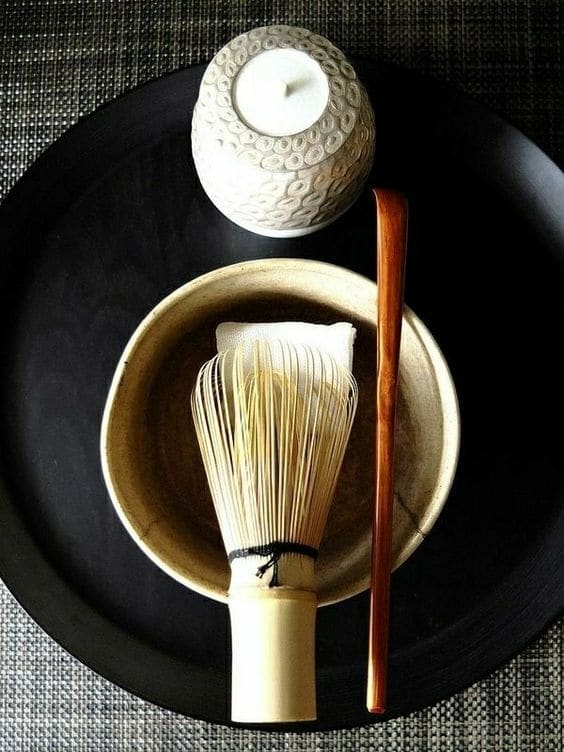
Getting to know the tea leaves for roasting Hojicha tea
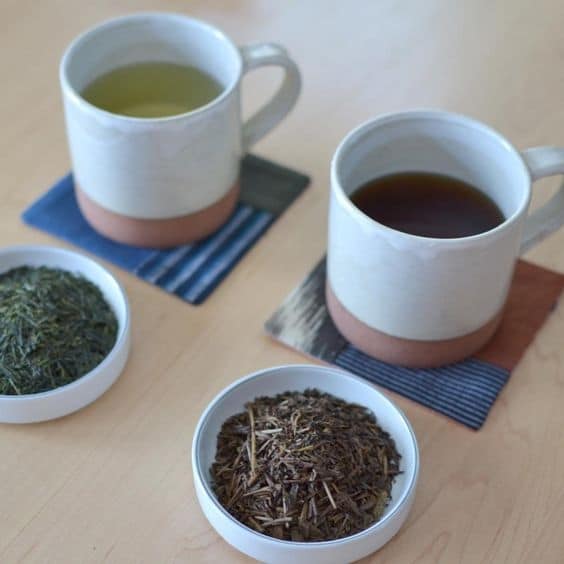
As we all know, Hojicha is green tea roasted at a high temperature until it has a fragrant aroma. It leaves a lingering taste and aroma in the mouth after drinking, which is why this type of tea is popularly drunk after meals or between meals. This roasting method reduces the amount of catechins, which cause astringency, and caffeine. This type of tea is gentle on the body and can be drunk by children, pregnant women, and adults in general. It can also be drunk before bed because it has a very low caffeine content. There are three types of tea leaves commonly roasted to make Hojicha: Sencha (煎茶), Bancha (番茶), and Kukicha or tea made from tea stems (茎茶). Each type of roasting has its own unique characteristics. If you want to try roasting green tea to make Hojicha, let’s get to know these three types of tea and how they differ.

Hojicha tea  Hojicha tea

Let’s start with Sencha (煎茶), a green tea that Japanese people drink every day. It doesn’t require shade cultivation and can be grown year-round. It’s the most produced tea in Japan because the leaves can be harvested four times a year, starting in May. The first three young leaves are picked and cut with scissors. Sencha is divided into three grades: high grade, medium grade, and normal grade. After picking, the leaves are blown dry and spun into spirals and rolled within the shortest possible time to stop the enzyme oxidation reaction, which will allow the color and aroma of the tea to be preserved. The taste is astringent, but since it is already a fragrant tea, the aroma becomes even more fragrant when roasted.

Sencha tea

However, if the Sencha leaves are roasted for a longer period of time, approximately 2-3 times, resulting in a stronger color and flavor than Sencha, it is called Fukamushicha (深蒸し茶).

Sencha tea Sencha tea

Bancha (番茶) is of a lower quality than Sencha because it is harvested in the third or fourth period of the year. It is the tea leaves that remain on the top of the tree after the Sencha leaves have been picked. Bancha leaves are larger than those used to produce Sencha. After that, they are lightly massaged. The taste is mild and used for general drinking. It is the tea leaves that remain from the top of the tree. It has a mild taste but a distinct aroma and is slightly astringent. Most of the leaves of this type of tea are hard and not very complete. They are light brown to yellow in color and have a more bitter taste than Gyokuro and Sencha.

Bangcha (番茶)

When bancha is heated to the right temperature and then kneaded dry, it yields fragrant, reddish-brown tea leaves known as “hojicha.” Bancha tea is rich in tannins but low in caffeine. Another distinctive characteristic of bancha is that it leaves the mouth feeling refreshed after drinking. The drinking technique involves quickly brewing it with hot water, which gives it a rather bitter and astringent taste. It’s ideal for rinsing the mouth after a meal, providing a refreshing feeling. Furthermore, it’s high in fluoride, which reduces bacteria in the mouth and helps alleviate bad breath.

Finally, we come to the final type of tea , Kukicha, or tea made from tea stems (茎茶), also known as Boucha (棒茶). It is a by-product of the stems and stalks of Sencha or Matcha tea. It contains very little tea leaves and has a sweeter, smoother flavor than other types of tea due to its high L-theanine content, which is found in the stems or roots of the tea plant. Kukicha can be brewed repeatedly and can also be mixed with fruit juices for children. Brew it in water at a temperature of 70-80 degrees Celsius for the best flavor. This type of tea has a very fragrant aroma compared to other types of tea. When smoked, Hojicha produces a unique aroma.

Boucha (棒茶)

By simply changing the production and harvesting methods, tea can be transformed into various forms of tea, allowing tea lovers to savor its different aromas and flavors.

Source

https://en.wikipedia.org/wiki/H%C5%8Djicha

https://subsc.jp/notes/534

http://www.amazon.com/gp/product/

Article from: Fuwafuwa